
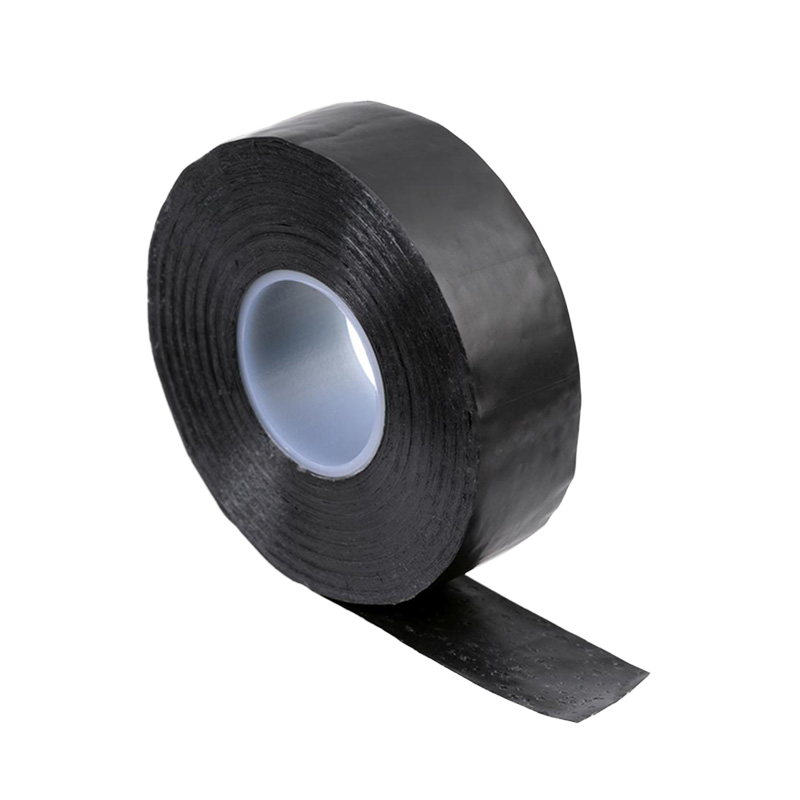
Electrical insulation tape, commonly known as electrical tape or insulating tape, is a type of pressure-sensitive adhesive tape used to insulate and protect electrical wires and other materials that conduct electricity. Its primary function is to serve as a non-conductive barrier, preventing electric current from escaping a circuit, which is crucial for preventing electric shock and short circuits.
How it Works
The tape’s core functionality comes from its materials:
- The backing is typically made from an insulating plastic, with polyvinyl chloride (PVC) being the most popular choice. This material is flexible, durable, and has excellent dielectric strength—meaning it can withstand a high voltage without breaking down and allowing electricity to pass through.
- The adhesive is specially formulated to adhere securely to itself and the wire without compromising its insulating properties over time or under various environmental conditions.
Types and Colors
Electrical tape comes in a variety of materials and colors for different applications:
- Vinyl Tape: The most common type, used for low-voltage applications up to 600V. It’s highly flexible and durable, making it ideal for insulating wire splices and bundling cables.
- Rubber Tape: This type is thicker and has no adhesive. It’s a self-amalgamating tape, meaning it fuses to itself when stretched and wrapped, creating a waterproof and airtight seal. It’s often used for moisture sealing and high-voltage insulation.
- Color-Coding: While black is the most common color for general insulation, other colors are used as a visual shorthand for electricians to identify a wire’s function, phase, or voltage level. The specific color code can vary by country (e.g., in the US, black, red, and blue might denote different phases in a circuit).