
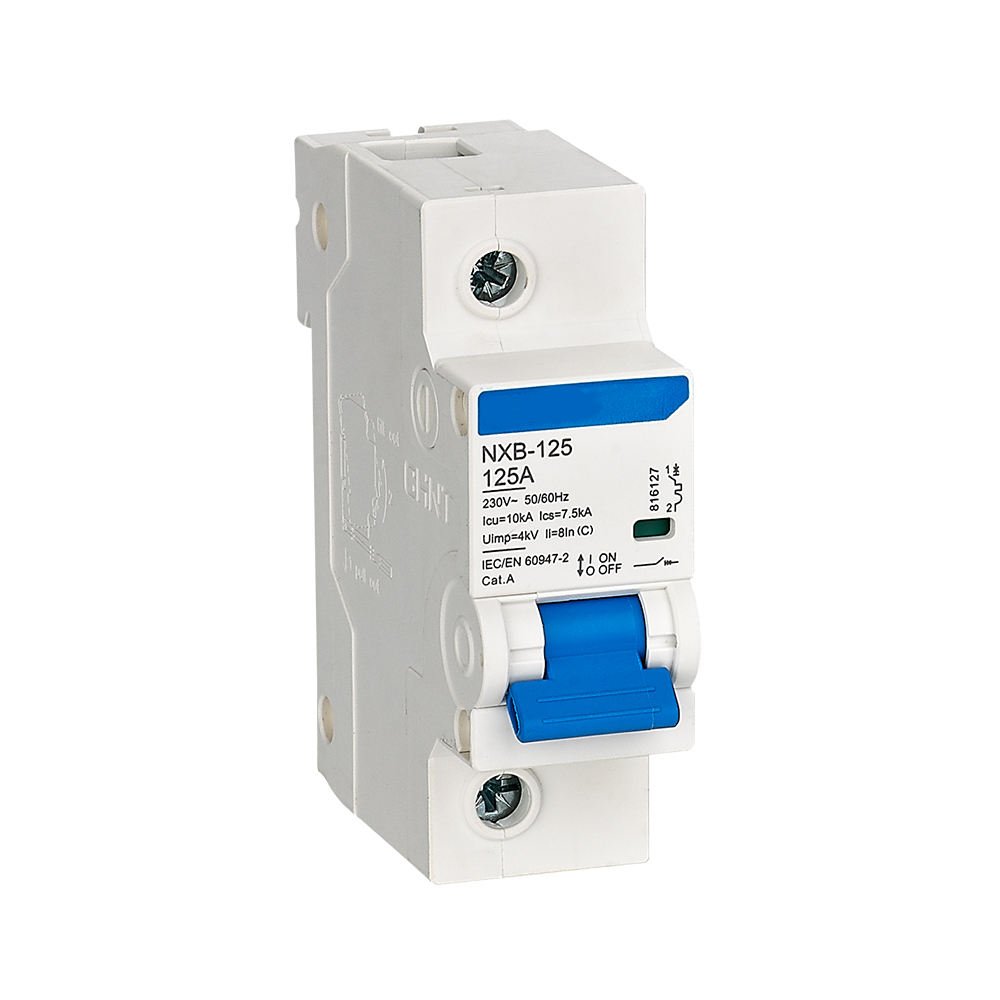
A circuit breaker is an automatic electrical safety switch designed to protect an electrical circuit from damage caused by an excessive amount of current. Its primary function is to interrupt the flow of electricity to prevent overheating, fire, and damage to appliances or the wiring itself.
How It Works
A circuit breaker works by detecting an overcurrent condition, which can be caused by either an overload or a short circuit. It then automatically “trips,” or opens, the circuit to stop the flow of electricity. It can be reset and reused after the issue has been resolved, unlike a fuse which is a single-use device.
There are two main mechanisms used to trip a standard circuit breaker:
- Thermal Trip: This mechanism protects against overloads, which are smaller overcurrents that occur over a longer period (e.g., plugging too many appliances into one outlet). A bimetallic strip inside the breaker heats up and bends as the current increases. If the current remains too high for too long, the strip bends enough to trigger a latch, which opens the circuit.
- Magnetic Trip: This mechanism protects against short circuits, which are large, sudden surges in current. An electromagnet within the breaker instantly becomes powerful enough to pull a plunger, which also triggers the latch and breaks the circuit.
Types of Circuit Breakers
While the standard thermal-magnetic breaker is most common in homes, there are several specialized types of breakers designed to provide additional safety.
- Miniature Circuit Breaker (MCB): The most common type of low-voltage breaker used in homes and small businesses.
- Residual-Current Circuit Breaker (RCCB): Also known as a Ground Fault Circuit Interrupter (GFCI). This breaker protects people from electric shock by detecting a small imbalance in current flow, which indicates that current is leaking to the ground (e.g., through a person). It trips the circuit almost instantly.
- Arc-Fault Circuit Interrupter (AFCI): This type protects against electrical fires caused by arcing. It detects dangerous, low-current arcs in a circuit that a standard breaker might not recognize as a short circuit, preventing a potential fire.