
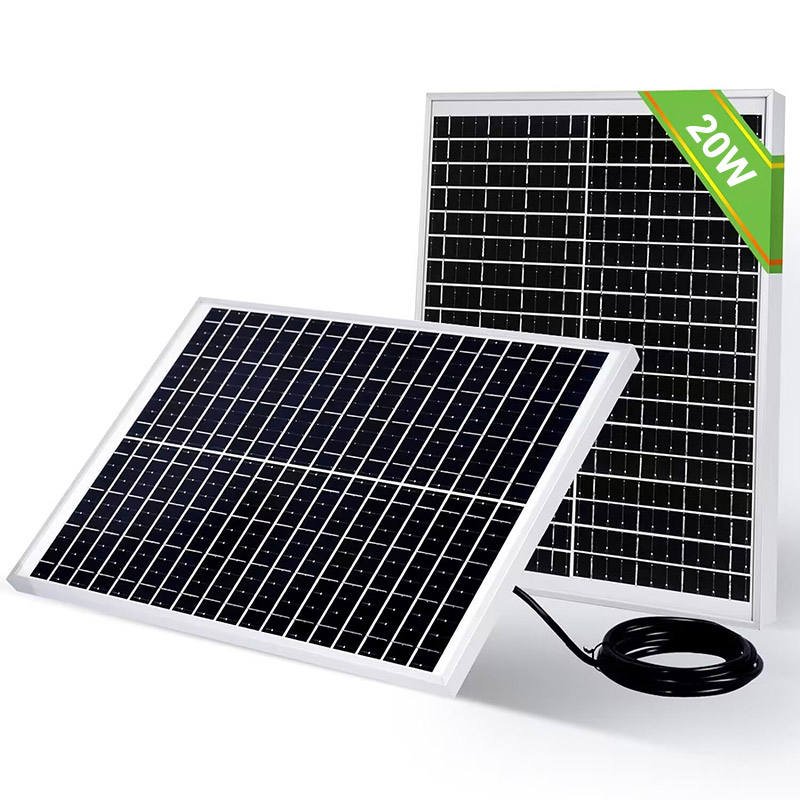
How a Solar Panel Works
The process by which solar panels generate electricity is called the photovoltaic effect. When sunlight, which is made of particles called photons, hits a solar panel, the photons are absorbed by the solar cells. Most solar cells are made of silicon, which is a semiconductor material. The energy from the photons excites electrons within the silicon, causing them to move and create an electric current. This current is direct current (DC), which is then sent to an inverter that converts it into alternating current (AC), the type of electricity used in homes and businesses.