
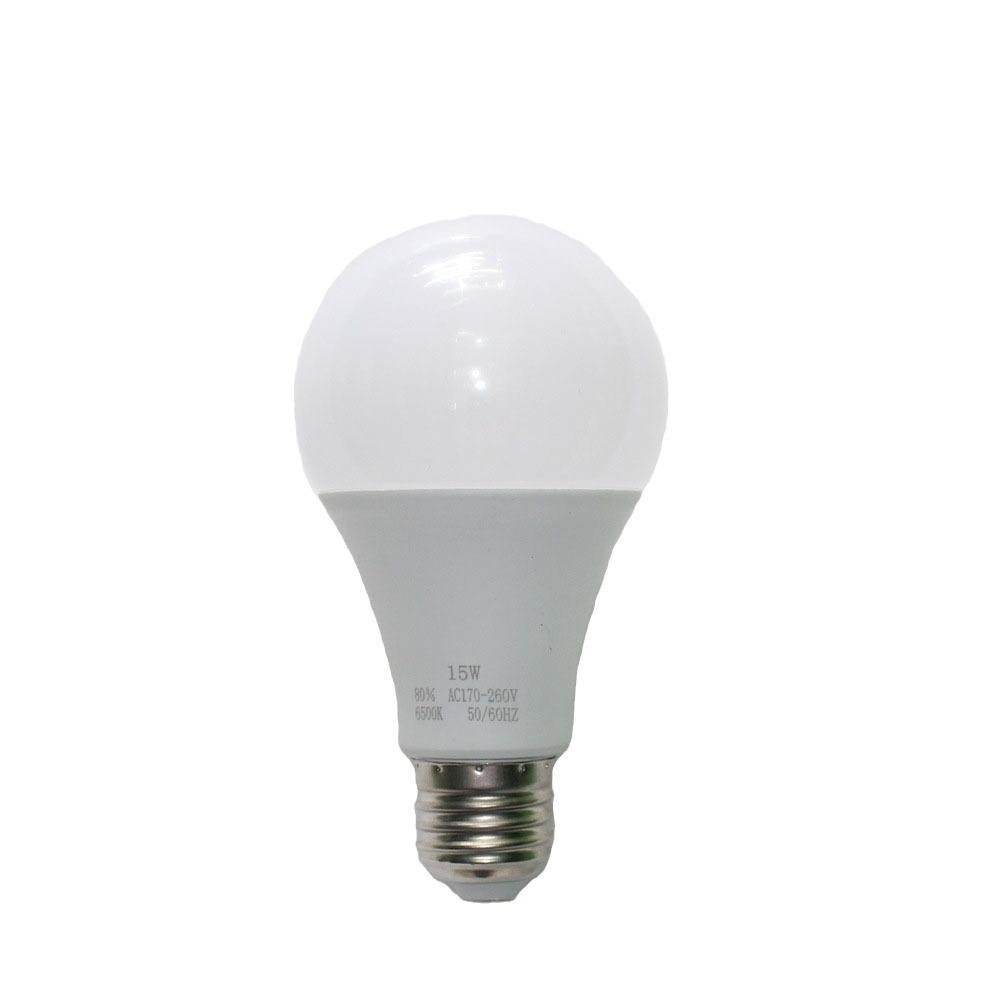
How it works
An LED bulb consists of a microchip with two types of semiconductor materials, one with a positive charge (p-type) and one with a negative charge (n-type). When an electric current is applied, electrons from the n-type material flow to the p-type material. As they combine, they release energy in the form of photons, which is what we see as light. To create white light, manufacturers often coat a blue LED with a yellow phosphor material. The phosphor absorbs some of the blue light and re-emits it as a broader spectrum that appears white.
Key Components
- LED Chips: These are the small, light-emitting semiconductors that are the heart of the bulb.
- Driver: This is a crucial electronic circuit that converts the alternating current (AC) from your home’s wiring into the direct current (DC) needed by the LEDs. It also regulates the current and voltage to protect the LEDs and ensure they perform correctly.
- Heat Sink: While LEDs don’t produce a lot of heat compared to incandescent bulbs, they do generate some heat at the chip. The heat sink, often a metal component (like aluminum), is designed to draw heat away from the LED chips to prevent them from overheating, which extends their life.
- Diffuser Lens: This is the plastic or glass outer bulb that protects the internal components and diffuses the light, making it less harsh and more evenly distributed.